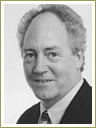
The Sensible Environmentalist
It�s Time To Boycott�Boycotts
 (NAPS)�DEAR DR. MOORE: Do you support boycotts as a way to force environmental gains?
I used to, but I�ve come to
believe that boycotts have unintended
consequences, many of
which are harmful
to the environment
and human health.
In the early �90s,
for example, a number
of groups called
for a boycott of wood
from tropical forests,
hoping to encourage
improved logging
practices. As a result, demand
dropped and prices collapsed.
Unfortunately, the landowners
didn�t react according to plan.
They harvested at even faster
rates�but instead of reforestation
they planted crops that had value
on the world market, such as
bananas and papayas. If the world
didn�t want the wood from their
forests, what incentive did they
have to plant more trees?
Today consumers are being
urged to boycott, among other
things, farmed salmon. Forget, for
a moment, that the study used to
support the boycott actually indicated
that farmed salmon is safe
to eat. Forget also, that organizations
ranging from the American
Heart Association to the World
Health Organization have voiced
strong support for farmed salmon.
Many consumers have already
been persuaded. Some have
turned to other proteins, thereby
reducing their intake of Omega 3
fatty acids�which have been
shown to protect against heart
disease and Alzheimer�s. Others
are eating only wild salmon,
increasing pressure on wild fish
populations and putting them at
risk.
When I helped co-found Greenpeace
in the early 1970s, no one
was inviting us to share our views
or help shape policy. Harm was
being done to this planet and no
one seemed aware of the fate that
surely awaited humankind if we
continued unchecked. Today, environmental
protection is fully
entrenched in North American
law and environmental groups are
sought for their opinions. We no
longer have the same need to provoke
conflict.
I began what I call the "sensible"
environmental movement
because I believe it�s time to
evolve beyond tactics such as boycotts.
It is now far more effective
to work with governments and
industries to encourage positive
change.

 home
home